

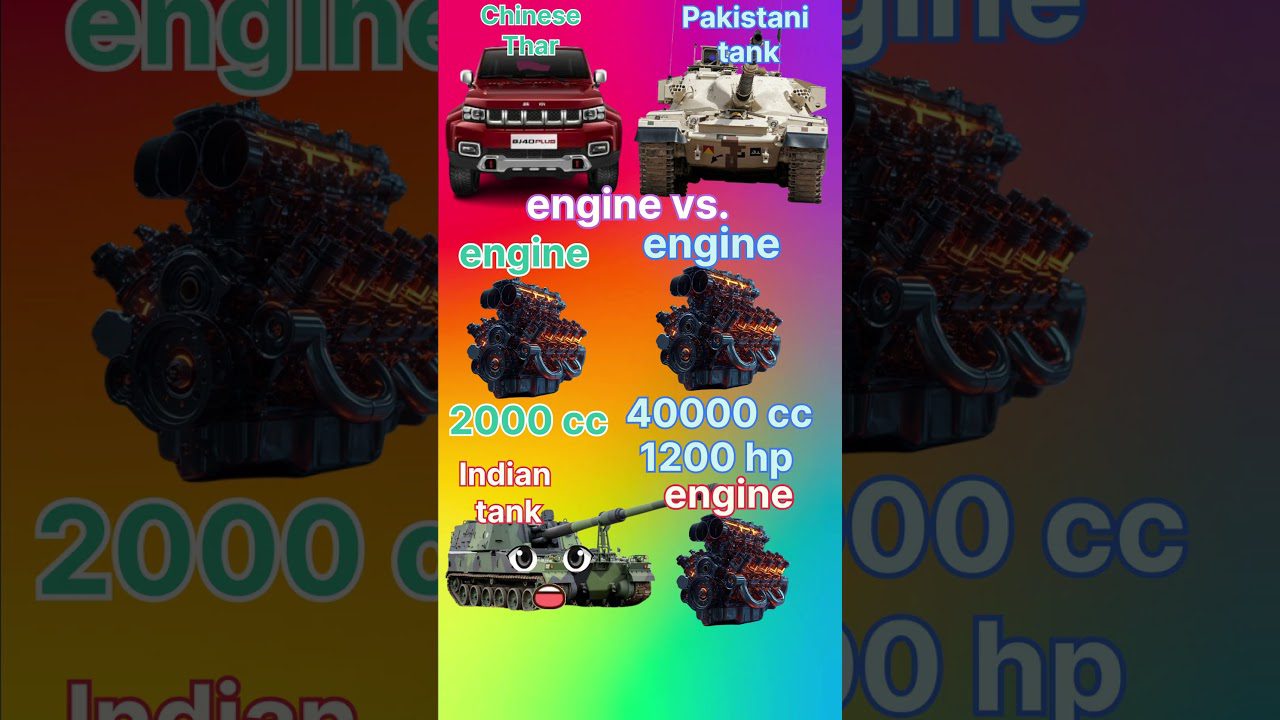
The Chinese Thar vs. Pakistan-Indian Tank: A Battle for Your Attention (and Budgets)
Hook: Real-Life Pain + Clean Sarcastic Humour
Ever tried to navigate life in a world where “Chinese Thar” rolls off the tongue more awkwardly than your uncle trying to dance at your cousin’s wedding? Or have you found yourself parked next to a Pakistani tank, wondering whether you should be taking cover or placing a food order? Welcome to the fascinating, often quirky realm of automotive mischief where culture collides with cunning creativity.
But fret not! In a world filled with traffic jams, gas prices that seem to inflate faster than your older sibling’s ego, and vehicles that look like they just stepped off the set of a sci-fi movie—understanding these tanks and cars isn’t just for gearheads. Grab your favorite snack, kick back, and let’s delve into this delightful chaos!
What It Actually Means
So, what’s the deal with the Chinese Thar and the Pakistani-Indian tank? Imagine you’re at a buffet where plates range from spicy curry that warms your soul to a suspicious gelatinous substance that definitely shouldn’t exist in a food context. The Chinese Thar is a vehicle that embodies rugged charm and off-roading prowess, while the tanks bring a whole different flavor—think heavy-duty military machinery that’s less about leisure and more about “don’t mess with me.”
In essence, one represents freedom, adventure, and perhaps questionable navigation skills in the great outdoors, while the others symbolize power and a propensity to turn any terrain into their playground—or battlefield. We’re talking about two very different beasts, each with its own set of quirks and um, baggage.
Deep Breakdown
Causes
Here’s a fun fact: the origins of these vehicles stem from different goals. The Chinese Thar is all about adventure and exploration—imagine it as the friend who drags you on that hiking trip you never agreed to. Meanwhile, the Pakistani tank emerges from a place of strategic necessity, designed to protect and serve with a side of swagger.
How it Works
Riding a Chinese Thar feels like flying a kite on a windy day—exhilarating but with the constant risk of crashing into a tree. Conversely, tanks are built with the steely determination of a kid refusing to share their toys—heavy armor, powerful engines, and a whole lot of firepower. Both get the job done, just in vastly different styles.
Why It Matters
Understanding these vehicles sheds light on broader cultural sentiments. The Thar embodies a nation’s connection to its land, a desire for freedom, and the thrill of the great outdoors. Tanks, on the other hand, highlight the historical and political narratives that resonate deeply within a region—symbolizing strength, resilience, and a hefty dose of irony given the road rage we all experience daily.
What People Don’t Know
Here’s the kicker: many folks don’t realize just how versatile both types of vehicles can be. The Thar can climb mountains while making coffee runs on a Saturday morning, whereas tanks are surprisingly adept at making a statement—be it in a museum or during a well-practiced military parade.
Hidden Sides
Both vehicles carry unexpected stories. The Chinese Thar is often painted in the nostalgic glow of family road trips, while tanks carry somber tales of history. Both offer a rich tapestry of experiences that go far beyond metal and wheels.
Industry Behaviour
In the automotive world, companies study the dualities of these vehicles. Will buyers favor the adventure-seeking thrill of the Thar or the imposing presence of a tank? Spoiler: the market loves both!
Real Consequences
When you break it down, consumers’ choices between these vehicles reflect broader societal values. Are we craving freedom and lightheartedness, or are we in a mood for protection and power?
Comparison Section
Imagine the Chinese Thar strutting into a bar—jeans, boots, and an adventurous spirit, charming everyone with its tales of thrill-seeking escapades. Enter the Pakistani tank, rolling in with all the subtlety of a WWE wrestler—an imposing presence that demands respect.
Both have a place: The Thar is perfect for whipping around dirt trails with friends while the tank? Let’s just say, it’s not exactly your go-to for a grocery run. Win-win? You decide!
How This Affects Your Money / Life / Mind
Picture this: you bought a shiny new Thar, and now you feel like a modern-day explorer. You’re soaking up nature and life feels vibrant! Meanwhile, your neighbor has a tank parked out front. Every time you see it, your heart thuds a little faster. It is a reminder that life is about choices—adventure or caution? Both vehicles impact our psyche and shape our experiences in the most unexpected ways.
Practical Guidance (Actionable Steps)
So, how do you navigate this vehicular chaos?
- Research Your Needs: Are you an adventure seeker or a homebody?
- Budget Wisely: Factor in insurance, maintenance, and those roadside snacks for your journeys.
- Test Drive: Whether it’s a Thar or a tank (you know, hypothetically), feel the vibe.
- Join Communities: Find fellow enthusiasts who can share tips, stories, and maybe a bit of humor.
- Explore Options: Compare models, specifications, and yes, that all-important social media presence.
TL;DR Summary
- The Chinese Thar is your weekend adventure buddy; the tank is the serious protector.
- Each vehicle tells stories of culture, resilience, and a sprinkle of sarcasm (hi there).
- You can’t hide from real-life implications; your choice potentially shapes your lifestyle.
- Adventure or defense? Your call—every ride makes you appreciate the journey.
Final Thought
So, whether you find yourself behind the wheel of a rugged Thar or dreaming about the drama of a tank, remember this: both are reflections of choices, aspirations, and the delightful absurdity of life. Grab the wheel, take the plunge, and enjoy your ride—just no felonies, please!

Utsav is an automobile enthusiast and auto news writer with 2+ years of experience in the Indian car industry. He has covered major launches, done detailed car reviews, and follows trends in the EV segment.