

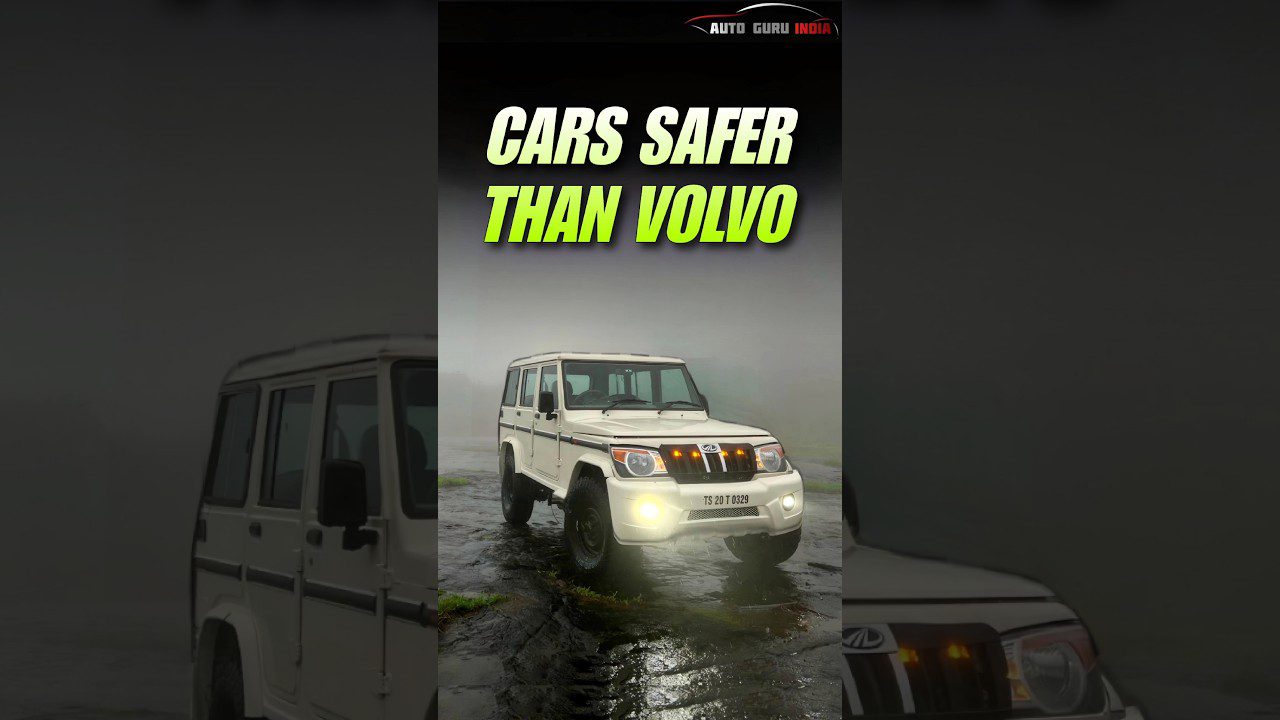
India’s Safest Cars 2025 | Top Global NCAP Picks
1. Hook: Real-Life Pain + Clean Sarcastic Humour
Ah, the joys of driving! The open road, the wind in your hair, and that mild panic you feel every time someone cuts you off. You know, just a typical Tuesday in India. It’s like dodging a reality show where the prize is not ending up in a bumper car bumper-to-bumper situation! If you’re like most people, safety isn’t just a buzzword; it’s a requirement, akin to finding that elusive parking spot in a crowded market. So, what if I told you that the safest cars for 2025 are out there, waiting for you to make your driving experience less of a heart-pounding adventure?
2. What It Actually Means
Let’s break this down. When we talk about a car’s safety rating, we’re not just discussing whether your airbag whisks you away to a pink cloud of fluffy joy during an accident. Nope! We’re talking about Global NCAP ratings, which assess how well a car protects its occupants in a crash. Imagine if every car had its own personal bouncer at the door, checking IDs and making sure nobody gets in without proper safety credentials. That’s pretty much what you’re getting with these ratings!
3. Deep Breakdown (Serious + Valuable + Easy)
Causes
The rise in car safety isn’t just an accident (no pun intended). It stems from years of research and improvements shaped by real-life crash data. Apparently, living through a few ‘oopsie’ moments has led automakers to start prioritizing safety – who knew?
How it Works
NCAP (New Car Assessment Program) uses a series of crash tests and evaluations. Think of it like a tough professor handing out grades based on how well each car performs under pressure. From frontal crashes to side impacts, each car gets put through the wringer to see if it can handle life’s unexpected detours.
Why it Matters
Here’s the kicker: a safer car means a safer journey. Kind of like choosing to stroll through a peaceful park rather than navigating a crowded highway during rush hour without a map. Better safety features can lead to fewer accidents, saving not just lives but also money on repairs and insurance. You wouldn’t want to pay the ‘oops’ tax, right?
What People Don’t Know
While safety ratings are essential, many people overlook that not all cars are created equal, even if they bear the same badge. Ever noticed how one model grins with a four-star rating while another sulks with two? Just because they share a family name doesn’t mean they all come with the same safety features.
Hidden Sides
Here’s where it gets juicy: some of the smallest cars often receive higher safety ratings than their bulkier counterparts. It turns out, in the crash world, size doesn’t always matter! Who would’ve thought that a compact car could pull off the ‘safety superstar’ act?
Industry Behaviour
Automakers are catching on that safety sells. As consumers become more educated about safety ratings, brands are stepping up their game. You better believe the pressure is on for companies to equip their models with life-saving tech, lest they get left behind in the dust – or worse, the crash report.
Real Consequences
Failing to prioritize safety in a purchase can lead to dire consequences, from injury to financial strain. Investing in a safe car today can mean the difference between whether you’re sipping chai at a scenic viewpoint or waiting for an ambulance’s arrival. Emotions aside, let’s keep it real – a safer car is a smarter investment.
4. Comparison Section (Fun but Factual)
Imagine buying a fruit for your lunch. On one side, you have the apple—simple, healthy, and universally loved. On the other, there’s that exotic dragon fruit, beautiful in color but utterly mysterious in taste. Now, apply this to cars: the tried-and-true Maruti Suzuki, known for reliability, versus a flashier, less tested brand that looks great on paper but leaves you pondering its crash test results. In the end, would you rather risk a mystery meal or stay with what you know best? Safety first, right?
5. How This Affects Your Money / Life / Mind
Picture this: you’re heading out for a family trip. The kids are giggling in the backseat, the playlist is on point, and suddenly—bam! A minor collision! With a safe car, the impact is minimized, leaving everyone a little rattled but ultimately unharmed. Not only does your family escape a close call, but you also avoid sky-high medical bills afterward. The right choice in safety can protect not just your loved ones, but your wallet too!
6. Practical Guidance (Actionable Steps)
- Research Ratings: Familiarize yourself with Global NCAP ratings before you shop. Knowledge is power, folks!
- Test Drive: Go beyond the exterior. Get a feel for how the safety features work. Can you even hear the warning alarms over your playlist?
- Ask Questions: Don’t shy away from asking the dealer about safety ratings and features. It’s your future driving experience on the line!
- Join Forums: Read consumer reviews and safety discussions. There’s no harm in getting tips from seasoned car enthusiasts.
- Consider Maintenance: A safe car often comes with a better long-term maintenance plan. Factor this into your cost!
7. TL;DR Summary (Funny + Clear)
- Safety ratings are like the report card of your car—don’t ignore it!
- Smaller cars can be safer; size doesn’t always matter.
- NCAP tests are the ultimate crash course – literally!
- Prioritize safety to avoid the extreme ‘oops’ tax!
8. Final Thought (Signature Style)
So as you think about your next lethal love affair with an automobile, remember: Safety isn’t just a feature; it’s your golden ticket for a smoother ride. After all, what’s the use of a car that zips past life’s troubles when it can’t protect you from them? Buckle up and choose wisely—your future self will thank you with every safe trip. Plus, bonus points for avoiding the headache of visiting a hospital!

Utsav is an automobile enthusiast and auto news writer with 2+ years of experience in the Indian car industry. He has covered major launches, done detailed car reviews, and follows trends in the EV segment.