
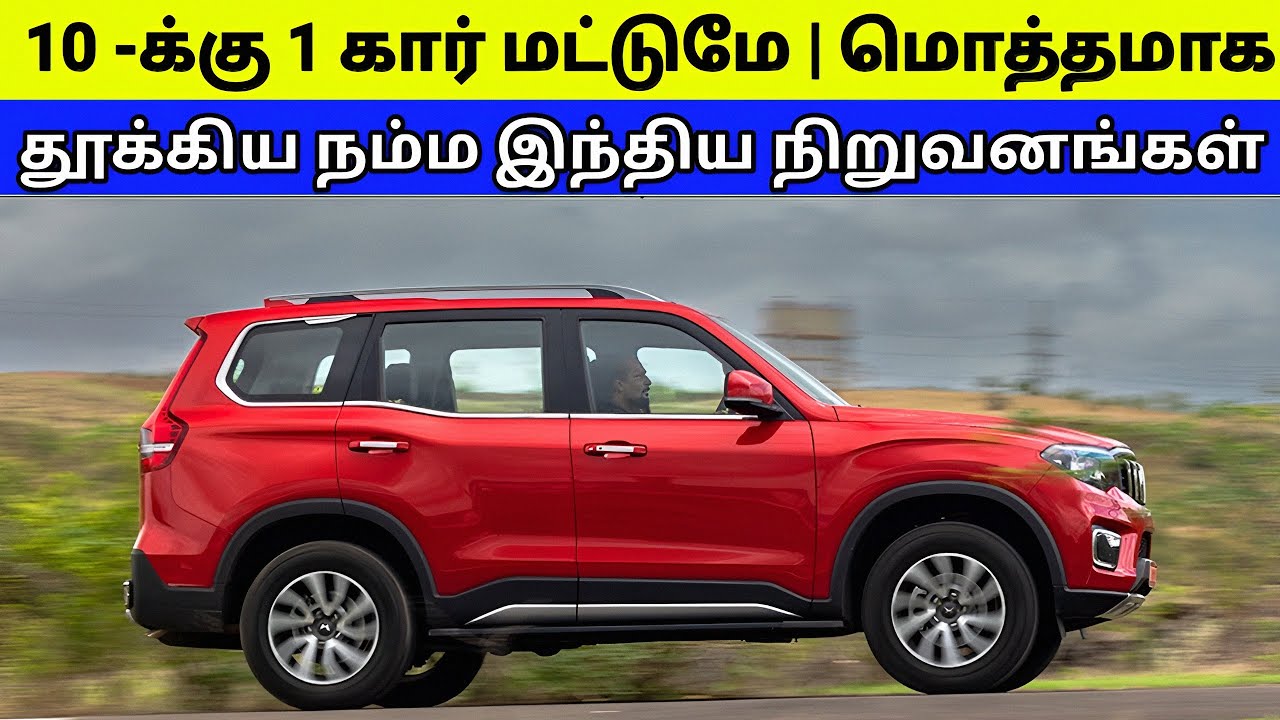
தனித்து விடப்பட்ட Hyundai | மொத்தமாக தூக்கிய இந்திய நிறுவனங்கள் | Top Selling Cars 2025
Hook: Real-Life Pain + Clean Sarcastic Humour
Picture this: you’re stuck in weekend traffic, your car is sputtering around like it’s auditioning for a role in a B-grade horror flick, and all you can think is, “Why did I not invest in a Hyundai?” Meanwhile, the brand plugs away on its top-selling cars of 2025, feeling like the cool kid in school while you’re just trying to find a parking space.
Let’s face it: navigating the Indian automotive landscape is a bit like a game of Monopoly — if you don’t know the rules or who to avoid, you might end up owning Marvin Gardens instead of Boardwalk. Spoiler alert: nobody’s coming to rescue you with "Get Out of Jail Free" cards when you’re left behind by some of India’s automotive giants.
What It Actually Means
So, what’s the deal with Hyundai and their expulsion from some Indian companies? Think of it as the automotive equivalent of a high school lunchroom drama: some brands just can’t sit with the cool kids anymore. Or in more relatable terms, Hyundai’s findings might not be the necessary upgrade you thought it was.
In essence, it reflects the shifting dynamics of the Indian auto sector, where some tried-and-true names are packing their bags for greener pastures—or at least better market shares. It’s like shuffling deck chairs on the Titanic, except without the iceberg (at least for now)!
Deep Breakdown (Serious + Valuable + Easy)
Causes
-
Market Saturation: The Indian automotive market is increasingly competitive. With every corner shop now dishing out “top-selling” models, it’s no wonder Hyundai has felt the heat.
- Consumer Preferences: Changing tastes are forcing old-timers to pull their hair out. Why buy fuel-guzzlers when hybrid and electric models are the rage?
How It Works
Hyundai’s strategic pivot involves realigning its goals with consumer preferences. This means developing more efficient, greener cars that people want—not just those that impress your uncle at family gatherings.
Why It Matters
The shifting tides fearlessly remind us that if you stand still, you risk being run over by a more agile competitor—like a Mini Cooper zipping by while your family van is caught in a neighborhood pothole.
What People Don’t Know
Leaks are the new fly on the wall in the automotive industry. Most don’t realize how much internal pressure these companies face, from regulatory compliance in India to changing market demands globally.
Hidden Sides
The hidden reality? Emerging startups are making innovations that legacy companies can’t keep up with. They must adapt or risk being left behind, much like that one friend who still uses a flip phone.
Industry Behaviour
It turns out the automotive industry is like a high-stakes poker game. While some players fold under pressure, Hyundai is recalibrating its strategies with the finesse of a magician pulling a rabbit from a hat.
Real Consequences
These changes don’t just stay within the boardroom. They ripple through the economy. Jobs can vanish faster than your aspirations after a night out—real impact on communities, suppliers, and your future garage plans.
Comparison Section (Fun but Factual)
Imagine this: Hyundai is like that kid in school who plays the saxophone while the rest of the band is still trying to figure out “Hot Cross Buns” on recorders. Meanwhile, local brands are partnering up like a celebrity duet, creating well-loved models that resonate with the crowd.
Hyundai vs. Local Brands: One is a polished article; the other, a viral TikTok sensation waiting to happen.
How This Affects Your Money / Life / Mind
Let’s take a stroll down your financial path. When a company like Hyundai stumbles, it doesn’t just affect them; it trickles down to your pocketbook. You might think you’re just buying a car, but you’re also indirectly investing in the entire ecosystem surrounding automotive sales, parts, and maintenance services. If the company struggles, how good do you think that warranty is going to be in five years?
Mini Storytime
Consider Raj, who decided between a flashy new Hyundai or a local hybrid. Sure, the Hyundai had the bells and whistles, but when he realized how much he’d save on fuel with the local option, it was a no-brainer. Raj might very well be a millionaire if he saves enough on those gas prices!
Practical Guidance (Actionable Steps)
-
Research: Before you step into a dealership, get to know your options. Online forums, consumer reports, and comparisons can make all the difference.
-
Test Drive: Don’t just test drive the car; drive your future aspirations!
-
Budget Wisely: Factor in all expenses, from maintenance to insurance, rather than just the sticker price.
-
Stay Updated: Follow industry news. Knowledge is power—unless it’s trivia night at your local pub.
- Engage: Talk to current owners of various brands. Their insight could save you a ton of headaches—like a friendly GPS.
TL;DR Summary (Funny + Clear)
- Hyundai faces backlash in the cutthroat market—let’s hope they don’t turn into that “sad puppy” meme.
- Hidden pressures are reshaping the automotive landscape.
- Consumer preferences matter—no one wants to invest in a dinosaur.
- High competition means buyers are king, but beware of bargain traps!
Final Thought (Signature Style)
So next time you find yourself torn between buying that trendy car or clinging to the nostalgia of your trusty old Hyundai, remember: life’s too short to drive something that doesn’t excite you—or worse, something you might end up abandoning in the parking lot. Choose wisely, with a dash of humor and a sprinkle of sarcasm—because isn’t that the joyride of life?

Utsav is an automobile enthusiast and auto news writer with 2+ years of experience in the Indian car industry. He has covered major launches, done detailed car reviews, and follows trends in the EV segment.