

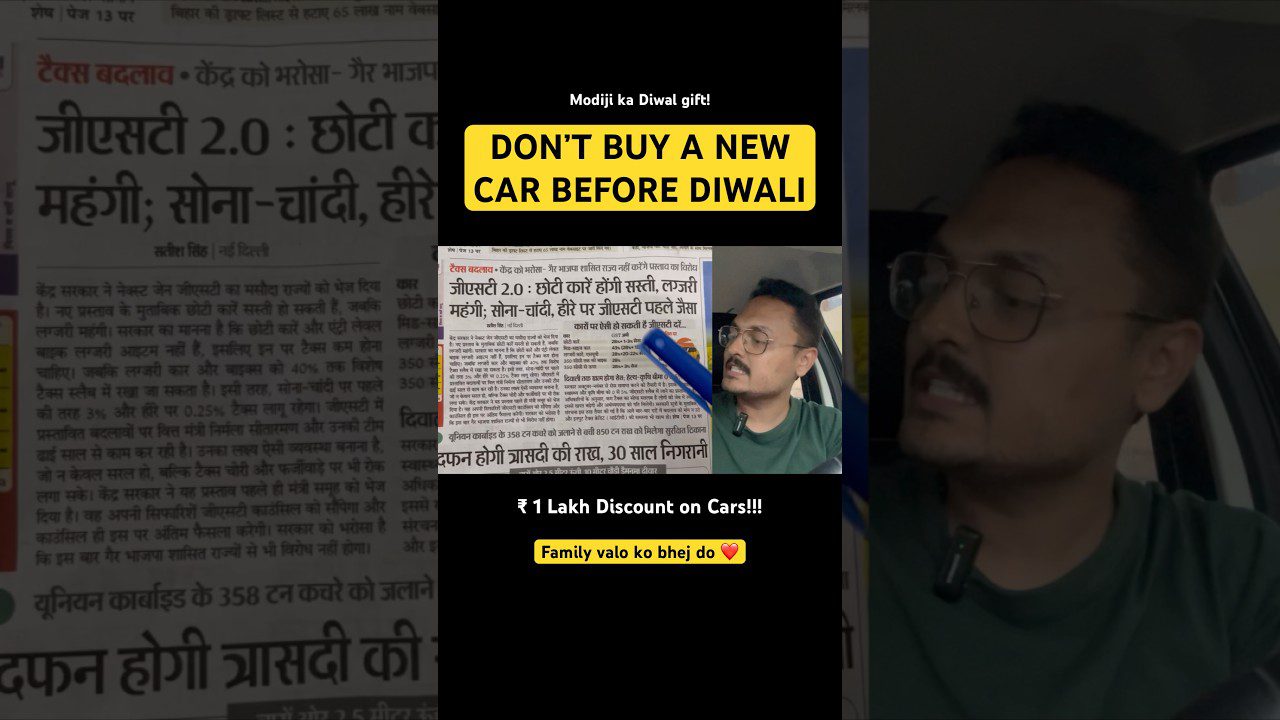
DON’T BUY TATA Punch, Nexon, Creta, Dzire Before Diwali 2025: 18% GST News Car Price Cut #shorts
Hook: Real-Life Pain + Clean Sarcastic Humour
Picture this: it’s Diwali 2025, the air is filled with the crisp scent of sweets, and you’re standing in your driveway, staring in despair at your bank account, which looks more deflated than a balloon on New Year’s Day. You might as well book a one-way ticket to the land of "What Was I Thinking?" because you’d just splurged on a Tata Punch or a Nexon thinking you were making the deal of the century. Spoiler alert: you weren’t.
It’s like that time you ordered a gourmet meal off a fancy menu only to receive… a sad plate of wilted greens. There’s nothing quite like the joy of realizing the car you bought just hit the market for less, all while you’re stuck riding around in what feels like last week’s leftovers. Ah, the thrill of modern car ownership!
What It Actually Means
Now let’s break down this whole Diwali car conundrum, shall we? The announcement about an 18% GST cut on new vehicles is like that plot twist in your favorite sitcom that has everyone gasping. But what does it really mean for you? It’s simple: it’s a golden opportunity to save a few bucks—or a few lakhs, depending on how you roll.
Think of GST like that heavy blanket you put on when it’s chilly—but much less cozy. It represents all the tax burdens stitched into the cost of your new wheels. A cut means fewer stitches, a lighter blanket, and potentially more money in your pocket. Remember, the brighter the future (and the lower the taxes), the shinier your car will look in your driveway!
Deep Breakdown (Serious + Valuable + Easy)
Causes
What causes a price cut in the car industry? Imagine the government as the benevolent parent who decides to cut your weekly allowance. Just like that, they’re trying to stimulate the economy, encouraging everyone to indulge in a shiny new car—because nothing screams “prosperity” like zooming around in a new ride.
How it Works
It’s straightforward: when GST is cut, manufacturers can/want to reduce prices to pass on the savings to consumers. Everyone’s happy, right? Well, except for the folks who rushed to buy their cars just before the cut—yeah, you!
Why It Matters
It matters because not only does it impact your wallet, but it can also stir up a frenzy of buying behavior. Wondering who knew? Well, let’s just say that many will be racing to dealerships like kids to a candy store on the last day of school. Not all heroes wear capes; some just carry shopping bags!
What People Don’t Know
Here’s a fun fact: many people assume this price cut is a one-time miracle, but it could signal larger shifts in the market. Keep your eyes peeled because this could mean more price adjustments in the future.
Hidden Sides
Ah, the twist of fate—while a lower GST sounds glorious, it can also lead to reduced quality as manufacturers might cut corners to maintain their profit margins. You might end up with a car that has personality but no engine power. Classic!
Industry Behaviour
The automotive industry is like a high-stakes poker game: one unexpected drop in prices can cause dealers to panic. Get ready to see them discount faster than a Black Friday sale.
Real Consequences
Those who bought before the cut? They’ve just opened their wallets to eat the extra cost. Meanwhile, the rest of us will be cruising in our smart purchases, sipping coffee and enjoying the sweet taste of financial wisdom.
Comparison Section (Fun but Factual)
Let’s play a little game of “What’s Better?”
Buying a car before the GST cut: It’s like jumping on a bandwagon that turns out to be a tricycle—everyone’s zooming past you, and you’re just riding along, wondering where it went wrong.
Buying a car after the GST cut: This is the express train to Savings City. You sit back, eyes sparkling with vision of all those extra sweets you can buy this Diwali instead of your new wheels costing an arm and a leg!
How This Affects Your Money / Life / Mind
Now imagine this: you are deep in thought at Diwali dinner, everyone is discussing their new cars, and you casually mention you just bought a brand-new Tata Punch. Cue the collective intake of breath as all eyes land on you like you just revealed a family secret!
Suddenly, you wish you had waited. Do you even know how many sweets you could have bought with that extra cash? Save the drama for the Diwali movie marathon; you could have been the hero of your own story!
Practical Guidance (Actionable Steps)
-
Stay Updated: Keep an eye on government announcements; a small snippet of news can save you big bucks.
-
Do Your Research: Look for offers as the festive season approaches. Dealerships often have tricks up their sleeves to woo customers!
-
Test Drive First: Before you think of splurging, take your potential new ride for a test spin. Feel the vibes!
-
Wait It Out: If you can, postpone your purchase until after the cut. Patience is a virtue, especially when it comes with a price tag.
- Compare Models: Sometimes, the newest model isn’t the best option; you might find an older model that fits your needs perfectly—like a pair of comfy loafers versus high heels!
TL;DR Summary (Funny + Clear)
- Price Alert: 18% GST cut coming in, so hold your horses (or cars).
- Wallet Woes: If you dive in early, your money becomes the main course at the “what was I thinking” dinner.
- Market Magic: A price cut can lead to a wild ride in the car market; expect discounts!
- Quality Quagmire: Lower taxes might mean lower quality. Balance is key, my friends.
Final Thought (Signature Style)
So there you have it—Diwali 2025 is shaping up to be a celebration of savings, and let’s be honest, who doesn’t love keeping a little extra cash for those delicious sweets? After all, if we’re going to spend, let’s make sure it’s on something that doesn’t leave us heartbroken like a bad Netflix series. Happy car hunting, and may your driveway shine brighter than your festive lights!

Utsav is an automobile enthusiast and auto news writer with 2+ years of experience in the Indian car industry. He has covered major launches, done detailed car reviews, and follows trends in the EV segment.